








ATEX Hazardous Area Installations
In areas where flammable gases, vapours or combustible dusts may be present, an ordinary electrical spark can be enough to cause an explosion. Electrical equipment in these zones must be selected, installed and maintained to strict standards, and the work must be done by engineers who understand them.
Rated 4.9 on Google


Electrical work where a spark matters
ICE Electrical carries out electrical installation, inspection and maintenance in hazardous areas for industrial sites across London and the South East, including fuel and chemical storage, paint and spray areas, flour and grain handling, woodworking and waste processing.
Call 03335775805 to book a Site Survey.

Speak with me today,
I’m here to help
By asking you a few questions either via phone or email I can immediately provide a realistic estimation of the cost.
Our atex hazardous areas treatment process

Step 1 Contact
Tell us about the zoned area and the work needed, and share your DSEAR assessment and area classification drawings so we understand the hazards.

Step 2 The Quote
We provide a fixed quotation covering equipment selection, installation or inspection grade, and the permits and safety controls the work will need.
Step 3 The Works
Our engineers work under your permits with suitable tools, install or inspect Ex equipment to BS EN 60079-14 or 60079-17, and leave the area safe.

Step 4 After care
You receive certification and inspection records against your equipment register, with any defects prioritised by risk and documentation updated.
Emergency Hotline
03335775805
Helpline open 24 hours a day, 7 days a week
When calling please have
the following ready:
- Your Name
- Company Name (if applicable)
- Site Postcode
- The problem you're having
- Email Address
Get a Quote
You’re in good company. We work with the following commercial clients… View all



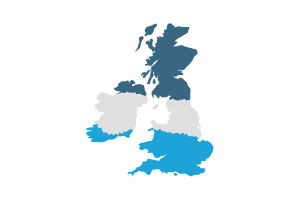
Our experts can arrive on site within 60 minutes
- COVID-19 secure
- Nationwide coverage, available 24/7
- Able to arrive within 60 minutes of your call
- Free survey provided prior to quotation
- Emergency response team
- Offer a bespoke service designed to suit all your needs
- All technicians hold professional health and safety qualifications, including BICSc, IOSH, IPAF & Safe Contractor
The regulations behind hazardous area work
The Dangerous Substances and Explosive Atmospheres Regulations 2002 (DSEAR) require employers to assess the risk from dangerous substances, classify areas where explosive atmospheres may occur and make sure equipment in those areas is suitable.
Areas are divided into zones depending on how often an explosive atmosphere is likely to be present:
- Gas, vapour and mist: Zone 0, Zone 1 and Zone 2
- Combustible dust: Zone 20, Zone 21 and Zone 22
Equipment used in these zones must be suitable for that zone, gas or dust group and temperature class, in line with the ATEX equipment requirements. The installation itself follows BS EN 60079-14, and inspection and maintenance follow BS EN 60079-17.
Hazardous area services
- Installation of Ex-rated lighting, power, controls and instrumentation
- Selection of equipment to suit zone, gas or dust group and temperature class
- Cable glanding, termination and containment suitable for hazardous areas
- Initial, periodic and sample inspections to BS EN 60079-17
- Remedial work following inspections
- Modifications and extensions to existing hazardous area installations
- Updating hazardous area registers and documentation
Protection concepts explained
Ex equipment uses different methods to stop it becoming a source of ignition. The most common include:
- Ex d (flameproof): the enclosure contains any internal explosion and prevents it spreading
- Ex e (increased safety): extra measures stop arcs, sparks and hot surfaces occurring in normal use
- Ex i (intrinsic safety): energy in the circuit is limited so it can't ignite the atmosphere
Each concept has its own installation and maintenance rules. A flameproof joint that has been scratched, painted over or bolted back incorrectly no longer protects anything. Getting these details right is what our hazardous area experience is for.
Inspection and maintenance
Hazardous area installations deteriorate like any other, but the consequences are more serious. BS EN 60079-17 sets out initial inspections before equipment is put into service, and periodic inspections after that, at intervals based on the equipment, the environment and the results of previous inspections.
Inspections are carried out at different grades of detail, from visual checks through to detailed inspections where enclosures are opened. Our engineers record findings against your equipment register and prioritise faults by risk, so you can plan remedial work and show your duty holders and insurers that the installation is being managed.
Working safely in zoned areas
Before any work, we review your DSEAR risk assessment and area classification drawings, and agree a safe system of work with your site team. Hot work permits, gas testing and isolation are arranged as required, and only suitable tools and equipment are taken into zoned areas.
For general industrial installations outside zoned areas, see factory & warehouse installations. For emergency support, our commercial emergency service is available 24 hours a day.
Why ICE Electrical for hazardous areas
- Engineers with hazardous area experience across gas and dust zones
- Equipment selected to match zone, group and temperature class
- Inspections to BS EN 60079-17, recorded against your equipment register
- Work carried out under permits, with your DSEAR assessment as the starting point
- Clear reports that support your compliance and insurance obligations
Talk to us about your hazardous area
If you're adding equipment, need an inspection or have defects to put right, book a site survey and we'll review your installation and documentation. Or email enquiries@iceelectrical.co.uk.